
Why Every Receipt in Your Home Improvement Folder Just Got More Important
If you bought your home with me, you might be tempted to skip this one since selling feels years away. Don't. There's a change coming to how appraisals work this fall, and it's a good reason to build a simple habit now.
What's Actually Changing
Starting November 2, 2026, Fannie Mae and Freddie Mac are moving to a more detailed, data-driven appraisal report for many conventional loans. It's called UAD 3.6, and it replaces the older appraisal forms with one report that adapts to the property, capturing more structured, granular detail than the narrative-style forms most of us are used to seeing.
It only applies to lender-ordered appraisals tied to conventional financing, so cash sales and appraisals for things like divorce or estate purposes aren't affected.
Why This Is a Good Reason to Start Documenting
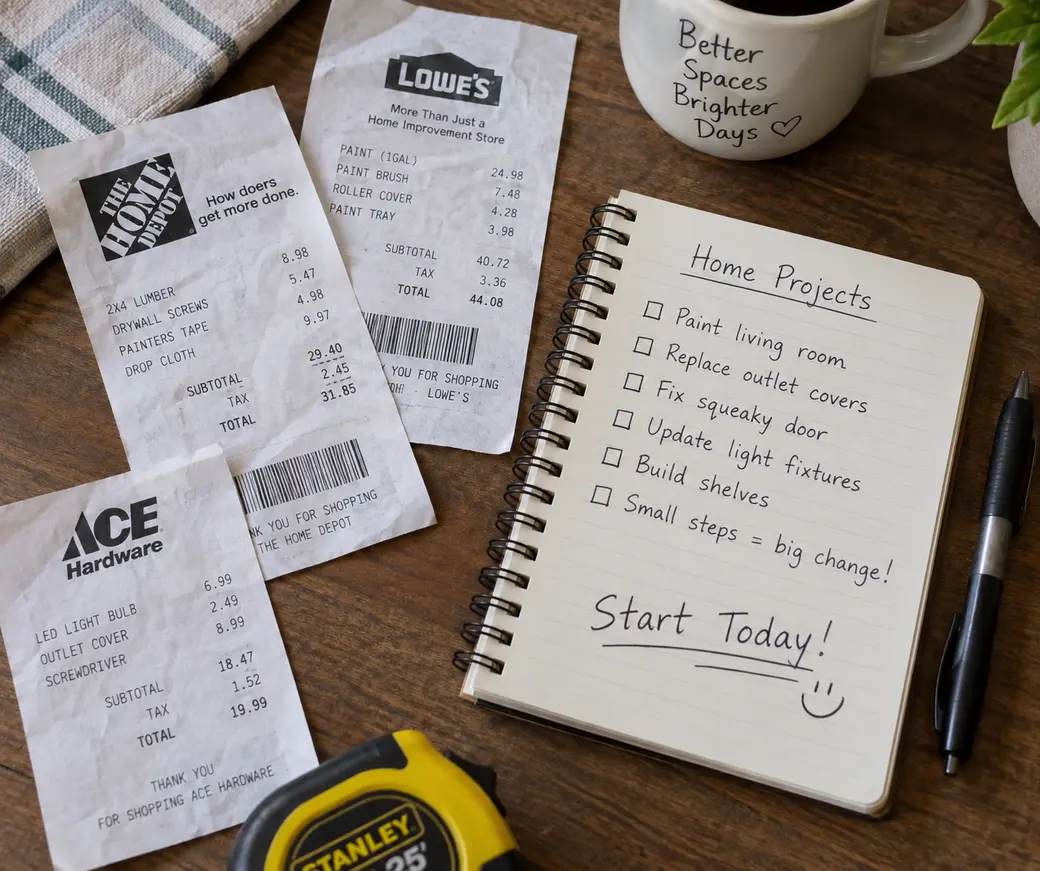
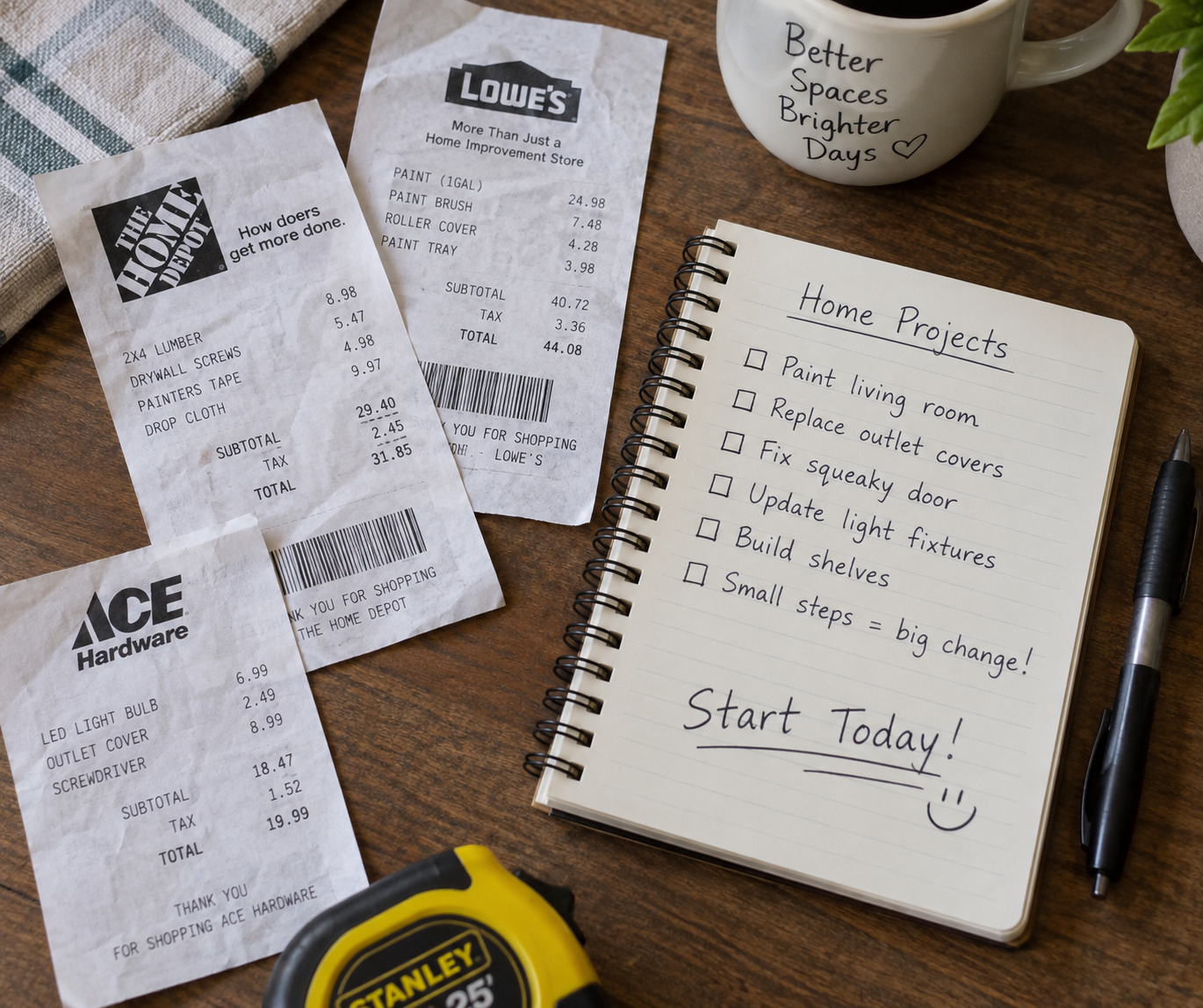
Here's the practical takeaway. This is a great reason to start keeping a simple record of the work you do on your home. For major projects, save invoices, receipts, permits when applicable, warranties, contractor information, completion dates, and even before-and-after photos.
Why does that matter? Those records can help an appraiser understand the scope and timing of improvements, especially work that may not be obvious during a walkthrough, like a roof replacement, an HVAC upgrade, electrical or plumbing work, insulation, new windows, or a permitted addition.
Important note: paperwork does not guarantee a specific increase in value, and appraisers still rely on the home's condition, quality, and comparable sales. But good documentation can make it easier to tell your home's full story when the time comes to sell or refinance.
I'll be honest, I didn't set out to prepare for this. I just happen to keep a folder on my computer for my own house, and every time I have work done, I save the receipt into it. New water heater, new flooring, whatever it is, it goes in the folder. That habit is about to be more useful than I realized.
What To Do Right Now
You don't need to do anything complicated. Start a folder, digital or physical, and every time you have work done on your home, especially anything major, save the invoice or receipt. Note the completion date, keep any permit or warranty paperwork, and jot down the contractor's information while it's fresh. A few before-and-after photos never hurt either.
You don't have to be moving anytime soon for this to be worth doing today. Future you will thank present you.
I'm also on the hunt for an app or website that can help homeowners track this kind of thing and generate a clean report to hand an agent or appraiser down the road. I haven't found the right one yet, but I'll share it here the moment I do.
Questions? Reach Out
If you have a project coming up, or you're wondering what's worth saving, send me a message. I'm happy to walk through it with you, even if selling is nowhere on your radar yet.
FAQ
Q: Does this appraisal change apply to my home if I'm not selling right now?
A: The new report format only comes into play when a lender orders an appraisal, so it won't affect you until you sell or refinance. But building a habit of saving documentation now, even years before you sell, makes things much easier later.
Q: Does saving receipts guarantee my home will appraise higher?
A: No. Documentation does not guarantee a specific increase in value. Appraisers still base their opinion primarily on the home's condition, quality, and comparable sales. Good records simply make it easier for an appraiser to understand the full story of your home's improvements.
Q: What kind of documentation is worth saving?
A: For major projects, save invoices, receipts, permits when applicable, warranties, contractor information, completion dates, and before-and-after photos. This is especially helpful for work that isn't obvious just from walking through the home, like a roof, HVAC, electrical, plumbing, insulation, or windows.
Q: Does this apply to every type of loan?
A: It applies to many conventional loans through Fannie Mae and Freddie Mac starting November 2, 2026. Cash sales and non-lending appraisals, such as those for divorce or estate purposes, are not affected.
Sources:
- Freddie Mac, "UAD Redesign Timeline Fact Sheet," sf.freddiemac.com, 2026. https://sf.freddiemac.com/docs/pdf/fact-sheet/uad-redesign-timeline.pdf
Thinking About Selling Your Home in the Charlotte Area?
Whether you're in North Carolina or South Carolina, I would love to help you navigate the process. Reach out anytime.
Kristen Coulter, REALTOR® | Licensed in NC and SC
Real Broker, LLC | 704-850-9870 | www.KristenCoulter.com | Realtor@KristenCoulter.com
Categories
Recent Posts






Agent North Carolina DRE# 356014South Carolina DRE# 141161
+1(704) 221-1276 | realtor@kristencoulter.com